Adventurous Astronomy: Stargazing Tips for Outdoor Enthusiasts
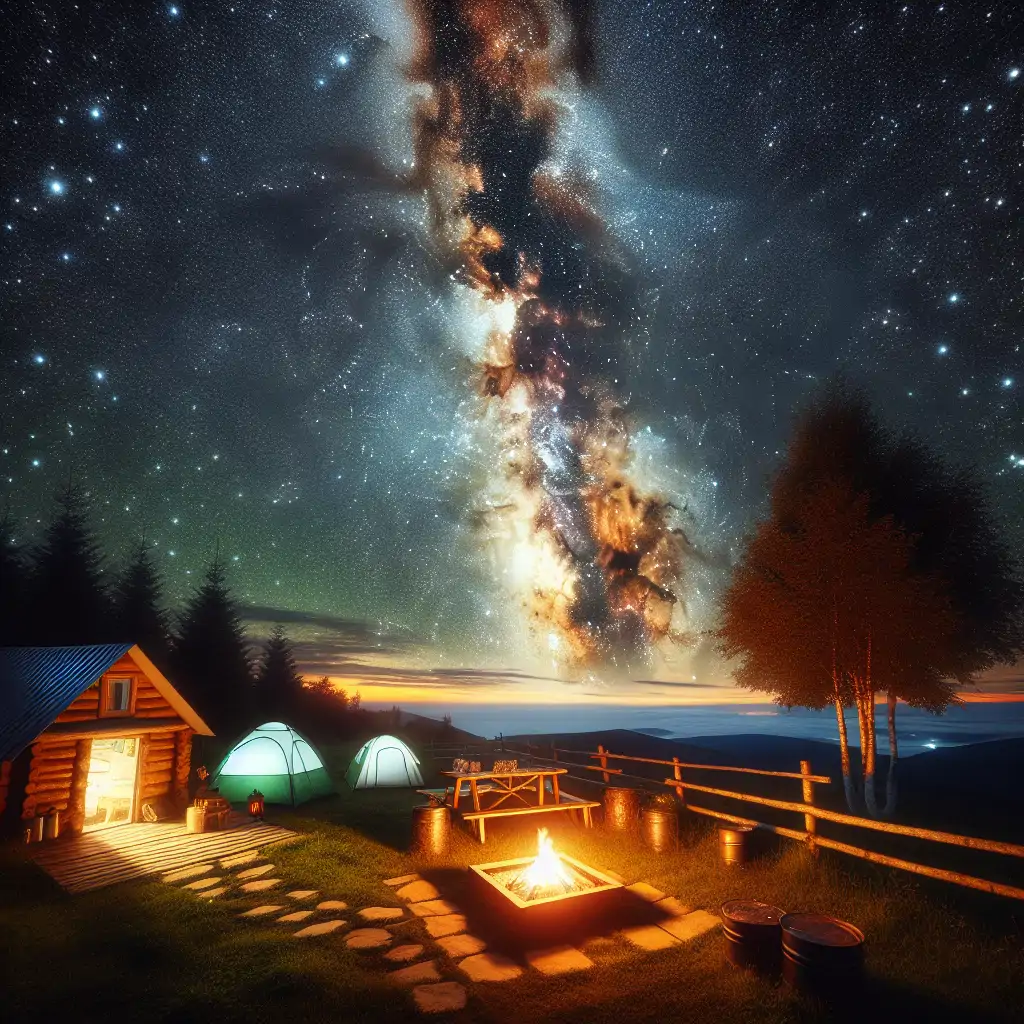
Imagine this: you're sitting outside your tent, the campfire crackling softly beside you. The air is crisp, the smell of pine is invigorating, and the sky above isn't just a backdrop—it's a sprawling canvas, speckled with celestial wonders. Stargazing is one of nature’s most enchanting spectacles, a show that boasts a grand scale and unmatchable beauty, all without costing a penny. Perfect for outdoor enthusiasts, this cosmic extravaganza adds an otherworldly dimension to your adventures. But understanding the night sky might seem daunting, especially when constellations sound more like fantastical character names: Scorpius, Cassiopeia, and Canis Major. Fear not, this guide is your starry chaperone, designed to escort you across the universe.
As you gear up for the astronomical adventure, it's crucial to pack wisely—binoculars and a robust enthusiasm for all things cosmic are great starting points. Whether you're a seasoned hiker, casual camper, or someone who considers 'outdoorsy' akin to getting up from the couch, stargazing offers something enchanting for everyone. From recognizing the swoosh of the Milky Way to catching a glimpse of Jupiter’s moons or applauding the dazzling streak of a meteor, the universe is waiting. This introductory guide to the night sky will arm you with all you need to make your next outdoor jaunt a galaxy-hopping voyage.
So, are you ready to trade in screen time for star time? This guide will cover practicalities such as optimal locations for viewing, the best apps for amateur astronomers, and how to tell if that's a satellite—or possibly a UFO—gliding overhead. You'll also learn to work with, not against, light pollution and will gain insights into major celestial landmarks. Strap in for a pun-riddled, fact-crammed ride through the stardust as we unravel the mysteries of the cosmos together. After all, the night sky isn't just above us; it beckons us.
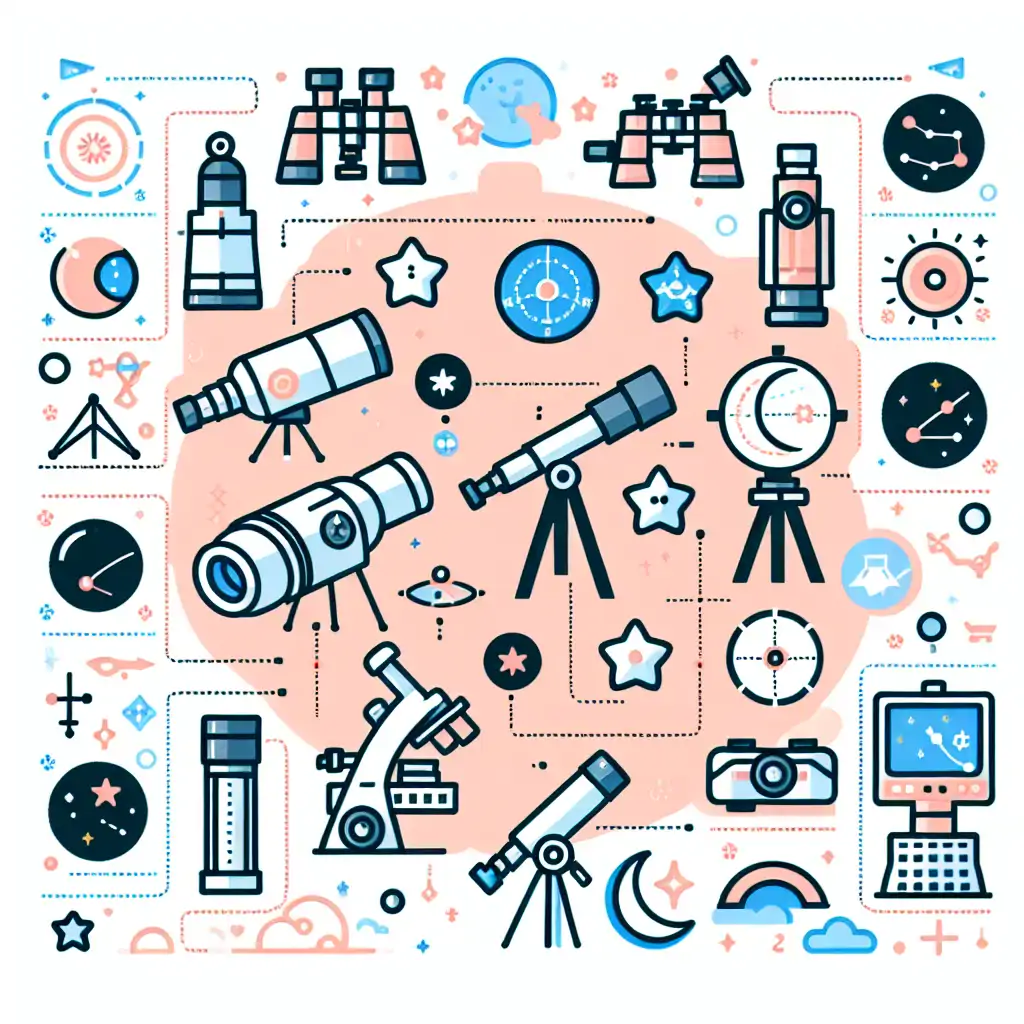
To embark on your celestial journey, it's paramount to have the right gear. Start with binoculars, especially if you’re reluctant to break the bank for a telescope. A simple pair of 7x50 binoculars can magnify your experience by bringing lunar craters, Saturn’s rings, and Jupiter's four largest moons into view. You'll find stargazing remarkably accessible, even on a shoestring budget. Telescopes can come later, with the added benefit of feeling like a junior astronomer prepping to discover alien life—the friendly kind, of course.
Next on your checklist are smartphone apps. These digital guides are your best friend beneath the night sky. Apps like SkyView and Star Walk 2 transform your device into a pocket planetarium. Simply point your phone skyward, and voila! The invisible becomes visible, with stars, planets, and constellations appearing in real-time detail. Feeling ambitious? Challenge your friends to locate obscure celestial bodies. Pro tip: Just avoid issuing challenges with boring-sounding planets; Ganymede's got nothing on the intrigue of Betelgeuse.
Choosing the right location to gaze upon the stars can make or break your experience. National parks and remote campsites generally offer promising conditions. Urban environments? Not so much. The culprit? Light pollution—a modern-world sky-snuffer. Light pollution refers to artificial light obscuring the night sky, masking stars and galaxies from view. Seek locations with minimal light interference. Websites like lightpollutionmap.info offer real-time data on where to stand for pristine views where the cosmos presents itself in unblemished glory.
Timing is everything when it comes to stargazing. Embrace the night's darkest hours—typically after midnight—to enhance visibility. It's an optimal time to witness not just a parade of stars but also a cosmic ballet of planets, satellites, and if you're supremely lucky, meteor showers that whiz by in a fiery blaze. Meteor showers operate on their own schedules, which add an element of delightful randomness to the act of witnessing cosmic streaks. Check astronomical calendars for predicted meteor peaks.
Knowing what to look for adds layers of depth to your stargazing adventure. The North Star, Polaris, marks an excellent starting point due to its fixed position—find it by locating the Little Dipper's tail. Orion, recognizable by his 'belt,' is easily observable during winter months and acts as an inviting guide to other constellations like Taurus, Alderamin, or Sirius—the universe’s attempt at celestial eye candy. Spotting these familiar formations allows beginners to navigate the night sky much like ancient mariners.
The International Space Station (ISS) also makes its rounds in Earth’s orbit, visible to the naked eye if conditions allow. NASA provides detailed schedules and trajectories, making it easier to wave at any astronauts. Just kidding—they probably won't wave back, but wouldn't it be galactically cool if they did? The ISS travels at roughly 28,000 kilometers per hour and orbits Earth every 90 minutes, allowing multiple sightings on a single night.
Let’s address an often overlooked marvel—our own moon, Earth's delightful satellite. A celestial body clad in mystery and craters, its phases change visibly across each month, offering different stargazing views. Full moons might drown starlight, but new moons reveal galaxies. Lunar cycles often assist in timing astronomical events, be it eclipses or viewing delights like the Seven Sisters (Pleiades) star cluster. Familiarity with the lunar cycle can, surprisingly, enhance your stargazing knowledge tenfold.
Planets also parade the night with gusto, each boasting differing charms and periods of visibility. Venus twinkles charmingly during twilight, while Mars appears fiery and distant. Jupiter, King of Planets, occasionally flaunts its moons in a dazzling lineup. Viewing their transits through a telescope is like winning the cosmic lottery. Saturn—unarguably the drama queen with its rings—makes an entrance when closest to Earth, a sight worth sharing with friends over campfire chitchat.
Telling apart a plane from a satellite might be challenging to a novice stargazer. A key trick is their movement. Satellites—including ISS—don't flash repeatedly as they journey across the night. Planes, however, flaunt their presence with continuous, visible blinking. Satellites arc over slowly and steadily, holding our gaze momentarily before sailing into invisibility. Identifying them adds a layer of experience and effortlessly entertains those around you.
If you find yourself particularly fond of shooting stars, understand they aren't actual stars but meteors zooming through Earth's atmosphere. On nights when meteor showers peak, a seat under the stars transforms into an open-air theatre, showcasing spontaneous meteor outbursts. Perseids, occurring every August, put on one of the most glamorous shows. Fun fact: Meteoroids are space debris before entering Earth's atmosphere. Once here, they become the stars of your night—a grand, fiery finale, of sorts.
Light pollution might seem a quick fix with the installation of dark sky-friendly fixtures like downward-facing shielded lights, but altering existing infrastructure isn't that simple. Start by managing personal light pollution—avoid using flashlights or vehicle lights when unnecessary while in dark regions. Trust your eyes; after adjusting to low lighting, they’ll sharpen naturally. Sometimes, cosmic wonders require nothing more than stepping out from under self-imposed artificial brightness.
Star parties offer community-driven avenues for stargazing. These gatherings provide enthusiasts and curious beginners alike to congregate, sharing equipment and exchanging cosmic knowledge. Most are free, encouraging individuals to bring their love for astronomy out of solitary confinement and into social spaces. Oftentimes, they happen near annual astronomical events like eclipses, allowing for a collective experience that amplifies the magic raining down from above.
To become less of a landlubber and more of a cosmic explorer, familiarize yourself with celestial coordinates and learn to read star maps. Develop an understanding of celestial spheres and grid systems. This provides that essential transformation from amateur night owl to seasoned wanderer over starlit skies. Apps aid in introducing grid systems slowly and convincingly, enhancing your midnight escapades exponentially.
While the stars guide us, remember the nighttime whispers silently. Invite silence into your stargazing sessions. In a world bustling with distractions, stargazing offers a rare moment for contemplative quiet. Let the silence envelop you, providing psychological respite from modern chaos. It allows for deeper meditation, reflection, and yes, even sparking up existential musings about life beneath the cosmic canopy. When nature goes art-full, a thoughtful silence becomes complementary accompaniment.
Finally, keep your eyes on the inevitable changes within your field of observation. Unlike static landscapes, the night sky remains dynamic. Our galaxy spins within the universe, constellations changing orientation across seasons, undying yet transforming. This is the allure of embarking on astronomical explorations: every glance at the sky is a new journey. It’s not the destination but the voyage, under twinkling lanterns, that reveals the universe’s secrets.
Happy stargazing!
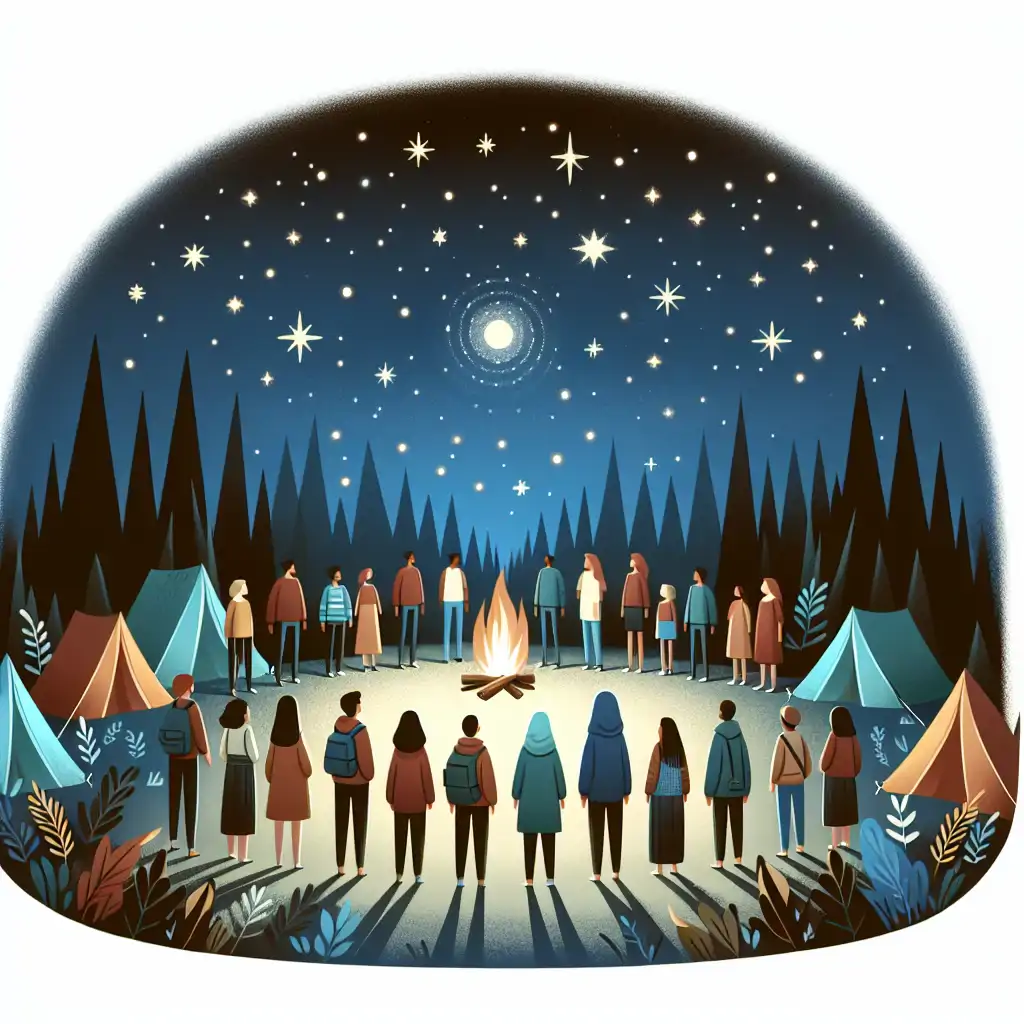
In pursuing stars, we learn to navigate not only skies but inner landscapes as well. Stargazing immerses us, reminding us of our insignificance in a boundless universe. Yet, paradoxically, it underscores our unique position within this grand scheme. By peering into cosmic mysteries, we transcend terrestrial worries if only for an evening under celestial watch. In those nights, we remember how incredible it feels not just to be alive, but aware.
Through such cosmic encounters, enthusiasts craft memories replete with camaraderie, discovery, and awe. Every flickering constellation tells tales woven into time’s fabric, eyes betraying the wonder of knowing, however momentarily, one’s rightful place within this swirling starcape. The allure of astronomy rests not just in cold facts, but tucked amid heartbeats quickened by sheer cosmic admiration—a reminder that our night skies are more than vast emptiness; they are invitations to explore.
So venture forth under starlight—the universe unfolds awaiting. Whether you're tracing constellations, searching for shooting stars, or moon watching, remember you’re part of a legacy shared by countless stargazers past. That is both humbling and exhilarating. With binoculars in hand, friends beside you, and a cozy chair beneath you, prepare for the cosmos where mystery meets majesty. Who knows? You might just spot Orion winking back.
Thanks for taking the time to read my article! You may also find this one interesting.
Sunrise to Sunset: Maximizing Your Day in the Great OutdoorsTil next time! Katie

Katie
Katie is a wildlife guru by day and a passionate part-time blog writer. With her deep expertise in nature and a gift for vivid storytelling, she crafts compelling articles that bring the wonders of the wild to life, captivating readers with her knowledge and love for the natural world.
A proud member of the B-Team
If you're curious to dive deeper into related topics, then you may find these external links useful.
1. NASA: Spot the Station
NASA's official page for tracking the International Space Station's orbit and sighting opportunities, relevant for stargazing enthusiasts.
https://spotthestation.nasa.gov/tracking_map.cfm2. Light Pollution Map
An interactive map detailing areas of low light pollution for optimal stargazing conditions, helping users find the best locations.
https://www.lightpollutionmap.info/3. SkyView App
The official site for the SkyView app, a powerful tool turning smartphones into planetariums, essential for identifying stars and constellations.
https://play.google.com/store/apps/details?id=com.t11.skyviewfree&hl=en-US4. Perseid Meteor Shower Guide
A comprehensive guide to the Perseid meteor shower, explaining its occurrence and how best to view it, enhancing the stargazing experience.
https://www.rmg.co.uk/stories/topics/perseid-meteor-shower-guide-uk-when-where-to-see5. Royal Astronomical Society
An introduction to celestial navigation and star maps, aiding beginners in understanding celestial spheres and star tracking, perfect for aspiring stargazers.
https://ras.ac.uk/©2023 - 2026 SP Software Solutions Ltd. All rights reserved.