Tent Talk: Choosing Your Portable Palace for the Perfect Adventure

When it comes to outdoor adventures, your tent is much more than just a shelter—it's your home away from home, your sanctuary in the wild, your portable palace under the stars. Whether you're on a weekend getaway or embarking on a year-long nomadic journey, the right tent can make all the difference between a restless night and a blissful slumber amidst nature. Just imagine waking up in the morning to the sound of birds chirping, the scent of fresh pine, and a view that beats any urban landscape. It's the promise of absolute freedom, combined with the comforting assurance that you have a cozy nook to retreat into when night falls.
Selecting the perfect tent for your adventure can be a delightful yet daunting experience. With such a vast array of choices, how do you find the one that suits your every camping whim? You need a tent that stands strong against the wild winds, keeps the torrential rain at bay, and offers breathability for those warm summer nights. But more importantly, you need a tent that doesn't leave you battling rogue zippers or wrestling with poles while your companions snap embarrassing pictures. Fear not, dear adventurer! This guide is here to help you navigate the exciting world of tents, minus the hiccups that could turn your expedition into an unintended comedy show.
Embark on this journey with us as we explore tent sizes, weather ratings, setup tips, and hilarious mishaps. Dive deep into why not all tents are created equal and how a good choice can upgrade your camping experience. It's time to create outdoor memories that you'll cherish forever, starting with picking out your nature's luxury suite. By the end of this guide, you'll be well-equipped to kiss your tent nightmares goodbye and say hello to outdoor bliss!
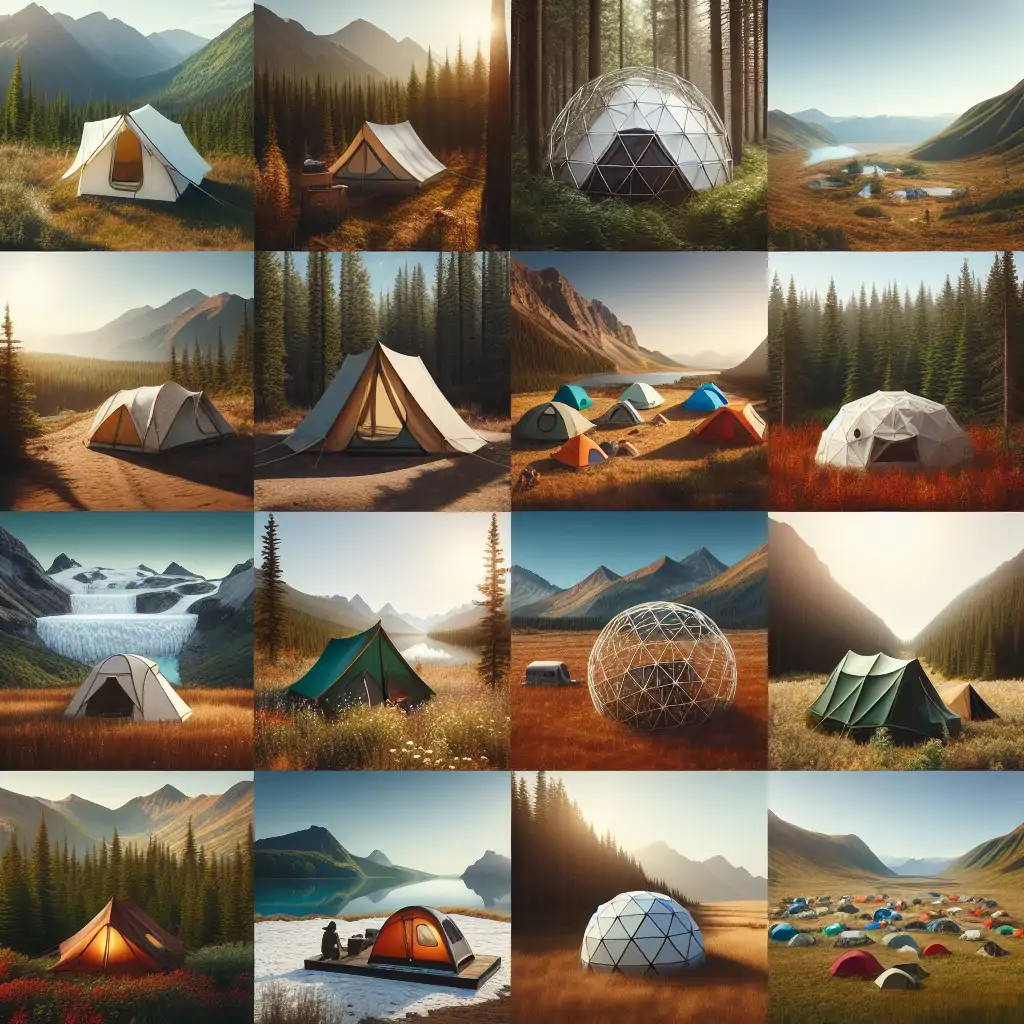
First things first—size matters! Before you even think about material or color, consider how many people will be sleeping in the tent. Remember, a two-person tent might technically fit two people, but do you really want to sleep elbow-to-elbow with your hiking buddy? Unless you’re camping with family or people you’re really close to, it's generally a good idea to size up. If you're heading out with a group of four, for instance, your best bet might be a six-person tent, giving you not only space to sprawl but also room for your gear. And if you're adventuring solo with a furry friend, a compact but roomy two-person tent might be ideal. Think of it as tent luxury—spacious yet snug.
The weather can be as unpredictable as your GPS signal in the wilderness. That’s why understanding your tent’s weather rating is crucial. Tents are generally categorized by season: 3-season, 4-season, and convertible models. A 3-season tent is perfect for those who enjoy spring-to-autumn camping. It's lightweight, offers excellent ventilation, and can withstand mild rain showers and wind. On the other hand, if you're a winter warrior, braving snow and frosty conditions, a 4-season tent is your best bet. Built to endure harsher weather, they come with sturdier poles and less mesh, keeping you snug against the elements. Convertible tents cater to those who want versatility—a bit of extra warmth for winter and easily adjustable for warmer months.
What your tent is made of can greatly affect your camping experience. Most tents are made from nylon or polyester. Nylon is lightweight and durable, making it ideal for backpacking adventures. It's generally treated with silicone or polyurethane to boost water resistance. Polyester, while slightly heavier, offers better UV resistance, making it a durable option if you're camping in sunny regions. Pay attention to the tent floor—it's where waterproof quality matters most. A good floor keeps your sleeping bag from becoming a soggy mess, so pick a tent with a robust footprint, preferably with a waterproof rating of 3000mm or more.
We've all asked the question: how breathable is this tent? Proper ventilation is key to avoiding waking up in a hot, humid mess. Cross-ventilation in a tent is a wonderful feature, especially during warmer nights. Look for tents with mesh panels and strategically placed vents that promote airflow. They help keep condensation at bay, ensuring a more comfortable experience. Just don’t forget the golden rule: if you’re camping where mosquitoes roam, ensure your tent’s mesh is of excellent quality. Those uninvited buzzing guests are not exactly the serenade most campers envision when settling down for a good night’s rest.
Ah, the notorious zipper test! A peaceful night can easily turn into a nightmare if your tent's zipper decides to go rogue at the dead of night. While this may sound trivial, a faulty zipper could mean a campsite full of curious critters (or marauding raccoons) might invite themselves in for a nighttime soiree. Always check the zippers before buying. Smooth gliding zippers that don’t snag are essential. Dual zippers are a bonus—they provide multiple entry points, flexibility, and, more importantly, a quick escape in case a midnight bear decides to come investigating what’s cooking.
Setting up a tent should be an exercise in relaxation, not an intense arm wrestling session. Ease of setup is something every tent shopper should keep in mind. Some tents offer a more intuitive design with color-coded clips, while others may boast an instantly deployable feature (aka pop-up tents). If you're new to camping or just like the convenience, consider a tent that comes with simple instructions and requires minimal effort for setup. Besides, the quicker you pitch your tent, the sooner you can cozy up to that sizzling campfire.
Speaking of fires, ensure safety by maintaining a sensible distance between your tent and the campfire. Materials like nylon and polyester tend to be flammable, and proximity to sparks can lead to unintended camping pyrotechnics—definitely not the kind of fiery warmth you want. Some tents come with fire-retardant treatments, but maintaining a safe distance is always the best practice in your tent safety repertoire.
A moment of hilarity (in hindsight at least)—the story of a tent that decided to collapse at 2 AM. Picture it: howling winds, rain drumming a relentless beat, and suddenly, BAM, your tent's walls are hugging your face. The fundamental takeaway? Always stake your tent properly. Invest in quality stakes and guy lines. Check the ground—you don’t want to drive stakes into loose soil or sand. Finding a solid, even patch of ground ensures your tent remains a protective haven, not a comedic anecdote.
Different tent designs cater to different needs. Dome tents are a crowd favorite—they're scalable, easy to pitch, and handle wind pretty well. Tunnel tents provide more internal space and are excellent for families. Geodesic and semi-geodesic designs offer superb stability, often chosen by mountaineers. Throw in a few emerging favorites like tipi or pyramid-shaped tents, which offer ample headroom and a touch of historical romance to your camping setup. The design you pick should reflect your camping style and location, making your tent both a statement and a solution.
Storage is often overlooked, but vital! Adequate pockets and gear lofts inside your tent can make a huge difference to your camping experience. Imagine fumbling around in the dark for your flashlight when a clever overhead pocket could have saved you the hassle. Vestibules are also a lifesaver—great for storing muddy boots or packs, keeping the interior organized and clean. Consider your storage needs when choosing your tent, because a tidy tent is a happy tent!
Weight is an essential aspect, especially if you're planning a backpacking trip. A lightweight tent can ease the burden, leaving you with more energy to enjoy the trek. Ultra-light options are available, but balance it with comfort—make sure the material is still resilient enough to withstand the natural elements. Generally, weight should be shared among campers, with poles packed by one, the rainfly by another, and stakes distributed among all. Like a well-rehearsed symphony, teamwork in packing leads to harmonious hiking.
Color—yes, it matters! A vibrant tent sticks out like a beacon, great if you're camping in isolated wilderness. It can be a visual landmark, ensuring you don’t lose sight of your portable palace. However, if you're trying to blend with nature, subdued tones like green and brown help you stay one with your environment. Whatever your choice, remember that lighter interiors tend to reflect more natural light, making your tent feel roomier and cheerier. Choose a tent that complements your style and comfort.
Cost should be proportional to how often and in what conditions you'll use your tent. Higher-end tents often come with technological perks like double-layered floors, superior ventilation systems, and specialty coatings that improve longevity. But if you're an occasional camper, a reliable mid-range option with solid reviews can serve you just fine. Investing according to usage ensures a good return on your tent purchase, preventing you from splurging unnecessarily while still experiencing quality time in nature’s lap.
Now, a chuckle-worthy tale of real-life camp chaos: a fellow camper misplacing a pole, resulting in a lopsided tent that became home to an unplanned puddle. Lessons learned? Always carry spare parts—be it poles, stakes, or sufficient tape for emergency repairs. Improvisation is valuable in the wild, but having spares means you’re prepared to tackle minor missteps head-on, cutting down potentially trip-ending disruptions.
Guest considerations—before you invite a friend or extend an invite to another family, verify your tent's capacity. Overfilling leads to cramped spaces and a not-so-pleasant experience where people literally sleep on their problems. Ensure everyone has breathing room, enhancing comfort. It’s teamwork in its truest form—negotiating space while maximizing comfort and enjoyment during your camping escapades.
Learn from the experts, and make sure to waterproof your tent pre-trip. While manufacturers add coatings, a bit of extra treatment before heading out can prevent wet disasters. Pay special attention to seams, the primary culprits in leaks. Seam sealants are easy to apply and make a huge difference. Rain is an expected guest during outdoor adventures, so preparation is the key to keeping dry and merry.
Advanced tip: try the bathtub method to test your new tent’s waterproofing. Pretend you're about to set sail—fill up your bathtub with water, place your tent’s floor in, and check for leaks. Perfectly normal if doused in stares from your family, but this trick ensures peace of mind and your tent’s readiness for any storm!
Tent livability is more than just space—think about livable qualities like headroom, comfort, and ease of accessibility. Tents with higher ceilings give you the pleasure of standing (or at least crouching) without pulling a muscle. Consider your camping buddies’ needs, ensuring a user-friendly experience inside and out. This effectively turns a camping trip into a delightful bonding event, filled with laughter and stories under the same fabric roof.
Floor plans and vestibule options can greatly affect your tent's versatility. Choose a layout that suits your preferences, whether it's side-by-side sleeping, diagonal, or having separate compartments. Some tents offer optional vestibules, creating an even greater gathering space outside the main tent body. Essentially, lay out your activities and pick a tent that matches the nature of your escapes.
Reflect on the terrain you'll frequently camp in. Rocky grounds may require stronger stakes, while beach camps necessitate sand anchors. The same goes for varied weather—where snowy regions demand double-wall tents to trap heat, high-ventilation models work best in humid climates. Having your tent adapt to planned environments assures you a comfortable, hassle-free retreat into nature.
Are you a tech-savvy camper? Seek tents with nifty attachments for interior lighting or guided loops for routing electronics safely. Ranging from LED loops to solar pack hangers, these innovative designs reflect modern-day camping necessities. They help you stay connected and illuminated while nestled in nature, turning your tent into an efficient camping command center.
Sometimes, testing a tent at home ensures confidence on the trail. Practice pitching, breaking down and packing it into its designated bag. Familiarizing yourself with the tent builds muscle memory and exposes manufacturing defects early on. You'll enjoy smooth, efficient pitches at camp, then witness converting heads as your companions marvel at your expert execution.
Consider joining a tent owners or camping group online. These communities are treasure troves of collective experience. Suggestions, repair tips, and shared stories can enlighten your tenting journey, making it safer, more enjoyable, and uniquely tailored to your adventures. Be sure to contribute your experiences too, fostering a community that thrives on the love for the outdoors.
Experimentation leads to the discovery of personal favorites. Don't dismiss an unusual tent style you've never tried before. Be it hammock tents for a night off the ground, or tents integrated into vehicles for road trips, exploring new setups can elevate your camping repertoire. Challenge your preconceived notions, and embrace the adaptive world of tents.
Adaptability is key—find ways to repurpose your tent setup in emergencies. Combining skills like using the rainfly as an improvised shelter, harnessing tent poles for makeshift repairs, or extending the coverage with a tarp benefits the clever camper. Learning these tricks extends the tent’s utility—useful survival strategies that take your camping confidence to new heights.
Beware of critter visits, especially in areas home to curious wild inhabitants. Invest in scent-proof containers and practice correct food storage techniques. Critters visiting campsites due to food mishaps make for entertaining stories, but these lessons teach the importance of tent security. Minimizing such temptations helps maintain peace within your camping coliseum.
Finally, treat your tent with the care it deserves. A little maintenance post-camping goes a long way. Clean debris, allow sufficient drying, and store loosely to preserve its integrity. Rotating your camping gear prevents wear, and being diligent extends your tent’s lifespan, ensuring it journeys on many adventures yet to come.

There you have it—tent selection done right can truly transform your outdoor escapades! With the right combination of size, material, weather protection, and practical features, your chosen tent becomes your reliable partner in adventure, promising comfort and security as you explore the great outdoors. Whether you’re a seasoned camper or just dipping your toes into camping waters, understanding your needs and aligning them with tent specifics ensures a flawless camping experience. So which tale will your tent tell? One of mishaps and misadventures, or of starry nights and mornings with a view? The choice is yours along with your newfound tent wisdom!
With this knowledge in tow, you can embark confidently into tent buying—choosing your portable palace with complete assurance and excitement. We hope this guide steered you clear of pitfalls and instead provided laughter and learning that enhances your journey under the stars. So pack your gear, gather your companions, and set forth into the wild with a grin as you pitch your perfectly chosen abode. Savor the tranquility, relish the freedom, and cherish the connection with nature that only a tent can bring—happy camping!
May your mornings be greeted with golden sun rays and your nights by serene silence, all while nestled snugly in your chosen tented haven. Every adventure is a story in the making, and with your trusty tent, it will be nothing short of legendary. Prepare for memorable escapades, serene landscapes, and tales of discovery. After all, the joy of camping lies not just in the destination, but in every step taken and every tent-pitched along the way. Here's to your palace in the wild, waiting for new adventures. Pitch tents, smile broadly, and most importantly, enjoy every minute in the great outdoors!
Thanks for taking the time to read my article! You may also find this one interesting.
Wilderness Wi-Fi: Staying Connected on Your Outdoor EscapadeTil next time! Katie

Katie
Katie is a wildlife guru by day and a passionate part-time blog writer. With her deep expertise in nature and a gift for vivid storytelling, she crafts compelling articles that bring the wonders of the wild to life, captivating readers with her knowledge and love for the natural world.
A proud member of the B-Team
If you're curious to dive deeper into related topics, then you may find these external links useful.
1. REI Expert Advice
Comprehensive guide by REI on choosing the right tent for different camping conditions, including size, setup, and material considerations.
https://www.rei.com/learn/expert-advice/family-base-camping-tent.html2. Outdoor Gear Lab
Detailed reviews and comparisons of various tents on the market, focusing on factors like weather resistance, weight, and ease of setup.
https://www.outdoorgearlab.com/topics/camping-and-hiking/best-tent3. Backpacker Tent Guide
A thorough guide provided by Backpacker magazine, discussing the importance of tent features for different camping scenarios.
https://www.backpacker.com/gear/tents/4. Tent Maintenance Tips
Informative article on the best practices for tent care and maintenance to prolong its lifespan and ensure performance.
https://campingleaf.com/blog/best-practices-tent-maintenance-care/5. Camping and Backpacking Forums
Online community discussions about personal experiences with tents, offering insights and tips from seasoned campers.
https://www.campercommunity.com/forums/%E2%9B%BA-tent-camping.36/©2023 - 2026 SP Software Solutions Ltd. All rights reserved.