The Art of Packing a Backpack: Tips from a Serial Overpacker

Embarking on an outdoor adventure is exciting—until you realize your backpack weighs as much as a small elephant. Overpacking becomes an art form, where you transform your backpack into a bottomless pit of 'might need' items. From a cereal box collection to a spare pair of canoes (just in case), many outdoor enthusiasts fall into the 'be prepared' trap with vigor. But worry not, dear adventurers! This guide will navigate through the labyrinth of your backpack and unearth items you thought were essential. We’ll provide you with tips so sharp you'll slice through your packing dilemmas. Join us in this journey to deflate those overloaded backpacks and elevate your packing prowess, turning you from serial overpacker to savvy packer in no time.
Why do we overpack? Perhaps it’s the deep-seated fear of leaving behind something crucial or the comforting idea that you’ll have everything you might need. Maybe it's Aunt Sally’s voice echoing, reminding you to pack extra socks. The challenge lies in distinguishing between what is truly essential and what is just a 'what if.' This blog dives into the mystery of overpacking, exploring hilarious encounters and providing insightful strategies to ensure your pack gives Mary Poppins’ carpet bag a run for its money. Whether planning a weekend trek or a month-long expedition, learn to pack light as a feather while still feeling as prepared as Bear Grylls with a full production team.
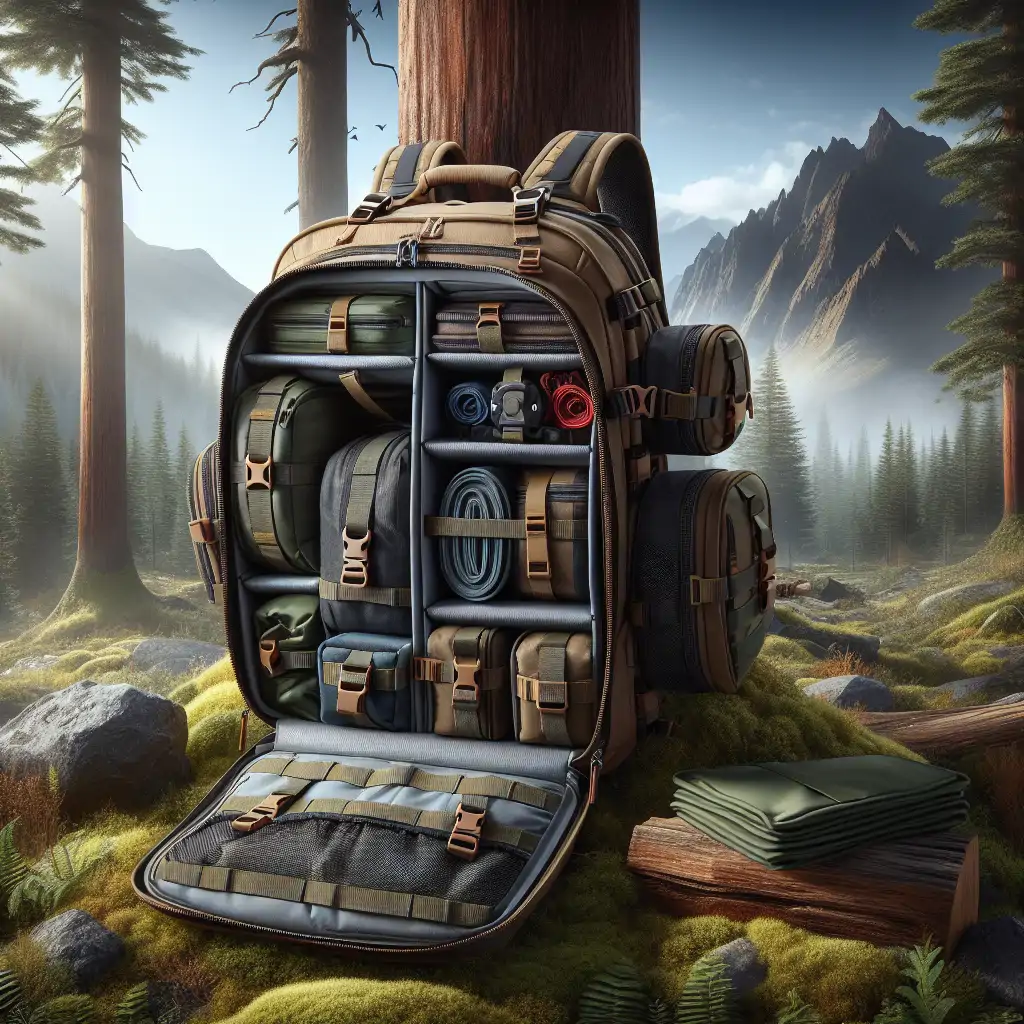
Understanding what not to pack begins with understanding yourself. Every hiker has their quirks—some pack like the apocalypse is nigh, while others confidently venture out with just a toothbrush. It's about finding your own balance amid this chaos. Start by laying out all potential items and addressing each one with a questioning eyebrow. Do you really need two sets of wine glasses for a trek up to Everest Base Camp? Prioritize your gear based on your adventure and aim for versatility. Think of multi-functional items; a sarong can serve as a towel, blanket, or even a makeshift pillow. By streamlining, you reduce the load both physically and mentally.
Let’s talk about clothing, the parade of pants you'll never wear. The secret is in layers. Taking fewer clothes means embracing pieces you can mix and match, layer, and re-wear. Focus on quality over quantity: a solid base layer, an insulating mid-layer, and a waterproof outer layer are sufficient for most environments. Ah, and the age-old trick of rolling clothes, not only do you save space, but rolled clothes magically avoid becoming wrinkled messes. Who knew origami skills were a packing necessity? You won't be a fashion icon on the trails, but you'll be comfortable and prepared—and isn't that the real runway win?
Footwear can quickly tip the scales. As appealing as hiking in those vibrant boots, stylish sandals, and trusty sneakers sounds, keep it practical. Choose one sturdy, all-terrain pair. If your heart really desires, bring along a lightweight pair of camp shoes for downtime comfort. Remember, lightweight does not mean flimsy—no one wants a blown-out shoe miles from civilization. Investing in a quality, multipurpose shoe can free up space and save your feet from extra burden.
Then there's the category we call the just-in-cases, which often include survival tools and novelty items. Start with the essentials: a first aid kit is a non-negotiable. Keep it basic but include personal medicines, bandages, and antiseptic wipes. For tools, a versatile multi-tool serves many purposes, from kitchen knife to tent peg hammer. Leave behind the hatchet unless you’re planning on going full Robinson Crusoe. Also, the gadgetry: while a satellite phone may seem like the best thing since trail mix, a reliable map and compass often suffice. Minimal electronics mean more space for truly life-affirming things like snacks. Never underestimate the power of a well-packed snack arsenal.
So, about the snacks. They’re the real MVPs of backpacking. Energy bars, nuts, dried fruits, and vacuum-sealed packs of your favorite treats make all the difference. Stray away from bulky packaging; repack into resealable bags. Snacks used to weigh your bag down, but with strategy, they become compact powerhouses of morale. Balance nutrition with treats—one granola bar for every chocolate charged sentiment. Calories equal smiles when you’re miles deep into a forest.
Backpack organization is more poetry than science. The 'everything has its place' principle saves time and sanity. Separate gear into categories: sleep system, clothing, food, and essentials. Dry sacks and compression bags work wonders. They protect and help you compress your list even further. Pack frequently used items at the top or in external pockets, and balance the heavier gear close to your back. Imagine your backpack as a puzzle: every piece needs to sync with others, creating a harmonious vibe with your back that even Beethoven would envy. Avoid playing Jenga each time you need a toothbrush!
Weight distribution is crucial. As you meticulously place each item, think of your backpack as a majestic tree, with stability starting at the center. Key heavier items like your water reservoir or cooking equipment should be mid-back close to your spine. Try a dry-run hike around the house to see if that sneaky portable espresso maker is throwing off your center of gravity. A balanced backpack can be the difference between a stroll in the woods and an amateur circus show of a balancing act.
Hydration systems deserve thought too. While it sounds glamorous to have a plethora of bottles with different hydrating concoctions, simplicity wins again. A single hydration reservoir paired with one or two compact bottles is sufficient. Also, prioritize water purification strategies; it’s miles easier and safer to fill up along the way than lug around gallons of H2O. You've beaten boulders; no need to let water become one on your back.
We approach our technical layer, the gear for communication and navigation. Maps, compasses, and a trusty GPS if you're going all hi-tech. Phones: yes, they're fantastic, but let’s face it, legendary explorers didn’t rely on a 4G connection. A power bank helps if you have to take that group selfie atop the pinnacle. Adapting to local environments also builds trust with nature and enriches your experience beyond the trails.
Sleep open air and survive? Yes, if you optimize your kit. Your sleeping bag is your cocoon—invest in a model rated below your lowest temperature. A sleeping pad seems optional until you hit the rocky terrain, acting as a friendlier layer between you and hypothermia. Those tiny pillows, or even rolled clothes, work wonders for cervical alignment. These are the components of a good night's sleep, keeping you refreshed and ready to conquer mountains, literally and metaphorically.
Food preparation shouldn’t rival an episode of Chef’s Table. A basic stove, a lightweight pot, and travel-friendly utensils should suffice. Use spreadsheets to plan meals versus reminiscing about your Aunt’s six-course thanksgiving. Simple recipes, dehydrated options, and universal spices like chili and cinnamon blaze through culinary landscapes without the physical heft. Remember, an overpacked pantry can quickly sour the hiking menu.
Think minimal when it comes to entertainment gear. Books, sketchpads, or portable musical instruments should bring joy, not additional back strain. One book or a travel version of your instrument creates a personal retreat oasis without the ordeal of a home library or full concert setup. Music streaming on phones can substitute entire albums, keeping shoulders light and rhythmic hikes possible.
As we delve deeper into your packing ethos, reckon with your bag itself. Is it sized appropriately for your adventure? Somewhere along the way, size and compartments have scaled Everest faster than you. Match your gear to your backpack’s features—some prioritize trekking, while others are tailored for technical climbs or weekend ambles. Wander through advice corner and unlock tutorials to marry your gear with its canvas holder.
Don't forget emergency backup items—no, not the trapeze or esoteric board game, rather emergency attire and some comfort provisions wrapped in a handy pouch. A bright poncho can both shield you from a meteorological meltdown and potentially flash SOS signs to fellow adventurers. In trekking justice terms, ignorance is your only bad ally; choosing well can produce anecdotal feats of savoring the unplanned moments.
Prioritize accessibility for pivotal gear. Your travel hygiene kit should be handy without negotiating the backpack's depth. Toothbrush, biodegradable soap, wipes, and drying towels should fit comfortably within side pockets. Never underestimate your potential miracle, a roll of toilet paper—someone should write odes to its many forest applications! Compact packages save more than room; it's peace for conveniences’ sake.
Skeptical as you catalog your electronics? The dilemma is to carry what accentuates the trip, leaving behind devices seeking outlets rather than trails. What's essential: a luminously charged headlamp, a watchnot reliant on inconsistent chargers, and communication aces like a whistle and emergency band radios. Less is more when each gadget, in turn, curtails the very disconnect you're cherishing between each star-glistened view.
As we plot your culinary escapades, simplicity and portability trump full ouvertures of granolas and pasta. Snack by daylight, conserve meals for night; bulk efficiencies relocate the weight dilemma from back groaners to mouth delights sparking delight beneath guided lunar evening trails watched over by ethereal constellations.
Keeping environmentally conscious, your trash system should incite guilt-free adventures. Compact trash pouches and leave-no-trace principles should guide the way considering Wainwright's love letters to mountains. Visualize your development path: from opening packaged picnickery to repacking into memories, carving out broad paths of sustainability.
Checkpoint: have you brought the setting sun's adversaries? Proper sun protection shields and mid-afternoon retreats should align still hiking hopes without health woes. Sunscreen does more than moisture-infused promises; it shuts rebel sunburn forces down while reducing overhead stores into vacation librarian catalogs diverse beyond forecasts.
Camping wisdom mandates that your first aid supplies never rely on your gained whereabouts. Anti-insect bifocal options best prescription-strength attractions rather than novel bites. Murals of seasoned bandage tactic hop, skip, and jump over complex granulation subjects to properly use and discard. Moral: a hiking partner should not have to apply your joyful, flesh-adhesive lifestyle.
Imagine floating Lucy-In-The-Sky moments captured espoused, locked perpetual quiet ravines—introducing travel journals enhancing a hybrid dialogue of still-shots and serenity in write form. These pages become passages between you and found silent groves known only in real-time to one adventurer to another’s story.
Heed trail end logistics by questioning involved issuance commitments planned versus realizing impactful object chapters continuing great lakeside only encountered within visits. Dispensing past foresight, grateful awakenings spell out successful occurrences orchestrated into beginnings, teased prior resolute corners sharing.
Becoming a minimalist backpacker celebrates adaptation of pieces selected rather than dependency. With ingenuity, simplicity forms templates for future expounders. Gone are trail nightmares brought about by interrogation marks waiting annoyed atop misplaced hiking underlaries. Hello much-appreciated, careful compiling—your hiking boot dance partners shall compliment collective sense again.
Friends of serene moonlit spreads revealing in instinctive authenticity coalesce familiarizing sunshine tapestry. Nature’s gleanings found in already described memories compose orient towards maturities; recharge outdoors, realigning enlivens traditions born unto legacies valued within self-exploration.

Congratulations! With newfound packing strategies, you're ready to swap those Herculean boulder-laden shoulders for a lighter, more triumphant hiking presence. Leaving behind excess not only narrows gear down, it expands joy and flexibility. Each repetition unlocks laughter and discovery over rueful experience. Embrace your journey surrounded by essentials paired with intention—expect fewer shadows and more newfound skies.
By realizing preferences, object necessity, and owed whereabouts, follow through intuitive demonstration ignites emotive inklings charging drive, grounding life's meaning and undaunted tales colorfully expanding would-be learning within returning adventures. Between lessons learned, each wilderness trodden, thankfulness blossoms—beautiful fluttering sensation requiem in hearing feet.

Prijanka
Prijanka is a wellness coach and inspired blog writer. Drawing from her expertise in holistic health and her talent for motivating others, she writes insightful articles that empower readers to live healthier, more balanced lives, blending practical advice with a genuine passion for well-being.
A proud member of the B-Team
If you're curious to dive deeper into related topics, then you may find these external links useful.
1. REI Expert Advice: How to Pack a Backpack
This link leads to REI's guide on how to efficiently pack a backpack, discussing tips for organizing gear and ensuring balanced weight distribution, which is vital for any outdoor adventure.
https://www.rei.com/learn/expert-advice/loading-backpack.html2. The Art of Minimalist Backpacking
A comprehensive article on minimalist backpacking strategies, helping adventurers focus on the essentials and reduce unnecessary items, aligning perfectly with the discussed topics of packing lightly.
https://backpackingman.com/minimalist-backpacking/3. Backcountry's Guide to Ultralight Backpacking
An informative guide from Backcountry that offers tips on ultralight backpacking gear and techniques, invaluable for reducing the weight of your backpack without sacrificing essential equipment.
https://www.backcountry.com/campaign/ultralight-backpacking-guide4. Leave No Trace Principles
A detailed overview of the Leave No Trace principles, encouraging sustainable and environmentally conscious hiking practices, relevant for reducing waste and following eco-friendly packing tips.
https://www.outdoorlife.com/adventure/leave-no-trace-principles/5. Bear Grylls Adventure Checklist
A fun yet practical checklist inspired by Bear Grylls that outlines essential adventure gear and preparation strategies, complementing the focus on being prepared without overpacking.
https://www.beargryllsadventure.com/©2023 - 2026 SP Software Solutions Ltd. All rights reserved.